"Chris Paine is a skillful story teller."
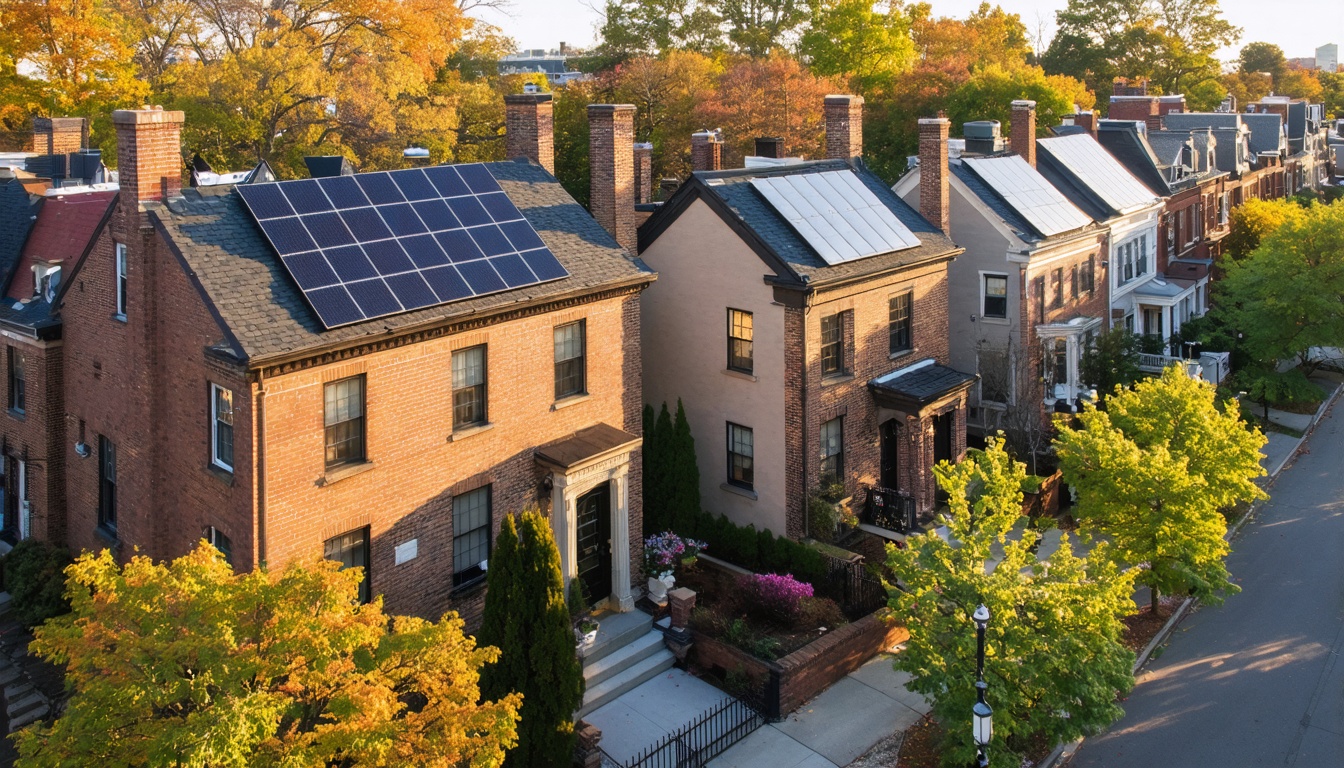
Solar Ready Roof Upgrades That Matter for Homes in Boston
When undertaking construction or renovation in Boston, preparing your roof for solar installation is increasingly important. As energy costs continue to climb and building regulations evolve, integrating renewable energy solutions can enhance property value while also aligning with future standards. A key consideration is to ensure your roof structure is capable of supporting solar panels, which involves evaluating its strength and condition. This requires an assessment of material integrity and load-bearing capacity. An inspection by a qualified professional can provide insight into whether reinforcements are needed. In addition to structural integrity, the electrical system of the home must be compatible with solar technology. This includes ensuring that the electrical panel can handle the increased load from solar energy systems and that necessary wiring is in place. Consulting with an electrical engineer can help determine if upgrades are required. Compliance with local regulations and permitting processes is also essential. Boston has specific codes governing solar installations, which can include guidelines on panel placement, shading, and aesthetic considerations. Engaging with local authorities early in the planning process can facilitate smoother project execution and compliance. In summary, making a roof solar-ready involves careful planning and consideration of structural, electrical, and regulatory factors. Properly addressing these elements will position your property to leverage renewable energy effectively and meet future requirements.
Tips for Builders Designing Solar-Ready Homes
When designing homes in Boston with the potential for future solar energy integration, it is important to evaluate the roof's orientation and slope, as these factors significantly impact the efficiency of solar panel systems.
Roof layouts that favor southern or western exposure are typically more effective in capturing sunlight, which can lead to reduced electricity costs for homeowners over time.
It is advisable to incorporate Green Building principles during the planning phase to ensure the structure can support solar panel installations.
The National Renewable Energy Laboratory (NREL) provides guidelines that recommend considering the weight and structural integrity required for solar panels.
Additionally, planning for space to accommodate necessary wiring and ensuring that potential shading from nearby structures or vegetation is minimized can play an essential role in facilitating effective solar installations.
Making these design considerations early in the process can convey to prospective buyers that the property is suitable for future solar integration.
This approach not only simplifies the installation process but also aligns with growing trends in both commercial and residential sectors that emphasize sustainability and energy efficiency.
Essential Solar-Ready Building Requirements
A structured approach to solar-ready building requirements is crucial for ensuring that homes in Boston are prepared for future solar panel installations. Builders are required to designate specific roof areas for photovoltaic panels, evaluate the structural integrity to accommodate such systems, and outline the necessary electrical wiring routes.
These requirements support compliance with standards established by the Department of Energy and promote adherence to green building practices. Additionally, they can help minimize delays for residential and commercial property owners. For those exploring residential solar energy solutions, Residential Solar Energy Solutions can provide tailored guidance on implementation.
Research from the National Renewable Energy Laboratory (NREL) indicates that proactive planning for solar readiness can lead to practical benefits. By preparing buildings for solar infrastructure, property owners can avoid future complications, potentially reduce electricity costs, and realize significant savings over time.
These strategic investments may also contribute to overarching goals of sustainability and efficiency.
Homeowner Benefits of Solar-Ready Upgrades
Investing in solar-ready roof upgrades presents practical benefits for homeowners in Boston, both in the short and long term. By integrating solar compatibility into a home's design, homeowners can reduce potential delays and complications when transitioning to solar energy. This forward-thinking approach may increase the property’s attractiveness to potential buyers and align with evolving market dynamics.
Construction teams typically follow guidelines and methodologies developed by organizations such as the National Renewable Energy Laboratory (NREL), the Energy Laboratory, and the Department of Energy. These frameworks help ensure that homes are structurally prepared for the future installation of photovoltaic (PV) panels.
Features such as solar-ready wiring and optimally designed roofs facilitate easier adaptations for solar energy systems, potentially leading to reduced electricity expenses and minimized costs for future modifications.
Additionally, implementing solar-ready upgrades can enhance property value and assist in meeting Green Building standards, which are becoming more prominent in the real estate market. As energy efficiency and sustainability practices gain importance for homeowners and investors, the integration of solar-ready features represents a practical decision for those seeking to improve both the functionality and marketability of their homes.
Preparing Roofs for Future Solar Installations
Preparing roofs for future solar installations is an important consideration for homeowners and builders during construction or renovation projects. While many homeowners may not prioritize the immediate installation of solar panels, implementing proactive measures can facilitate easier integration in the future.
Builders who follow Green Building principles should focus on key factors such as roof orientation, slope, and structural integrity, ensuring roofs are capable of supporting photovoltaic (PV) panels later on. Research conducted by institutions like the National Renewable Energy Laboratory (NREL) and the Department of Energy advocates for irradiance assessments to identify optimal locations for panel installation.
These assessments reveal that specific roof conditions can have a considerable impact on the efficiency and performance of solar panels.
In addition, measures such as pre-installing electrical wiring and designating potential panel locations during the initial construction phase can help mitigate complications later. This approach can lead to cost savings since retrofitting existing structures can involve significant expenses.
Documenting wiring pathways and accounting for potential shading effects are critical steps that assist future occupants of both residential and commercial properties in making informed decisions regarding solar energy investments.
Therefore, integrating these planning steps into the early stages of construction or renovation can improve the transition to solar energy, reducing barriers and enhancing the feasibility of solar-ready buildings.
Key Design Considerations for Solar Integration
When planning a solar-ready roof in Boston, several design factors warrant careful consideration due to their impact on system efficiency and financial viability. A south-facing orientation is generally recommended as it enables maximum solar exposure throughout the day.
Additionally, maintaining a roof slope of 15 to 40 degrees can optimize solar energy collection and mitigate shading from adjacent structures, which is crucial for maintaining performance levels.
It is advisable for builders to reinforce the roof structure to support future photovoltaic panel installation. Implementing these reinforcement measures during the construction phase can mitigate significant retrofitting costs later on.
Another important aspect is the documentation of wiring pathways. Following guidelines from reputable organizations, such as the National Renewable Energy Laboratory (NREL) and the Department of Energy, can streamline the installation process and minimize potential delays.
Overall, these factors underscore the importance of methodical planning and adherence to established protocols in enhancing the efficiency and financial effectiveness of solar energy systems for property owners.
Wiring and Electrical Planning for Solar Readiness
Early electrical planning is critical for ensuring that a home is equipped for solar energy integration. By considering solar panel requirements during the wiring design phase, builders can address potential complications in advance, thereby reducing delays and minimizing the costs associated with retrofitting existing structures.
Effective electrical planning is necessary to ensure that roofs and supporting frameworks can support photovoltaic systems, applicable in both residential and commercial settings. Research conducted by organizations such as the Department of Energy and the National Renewable Energy Laboratory (NREL) demonstrates that comprehensive electrical designs can yield economic benefits, such as lower electricity costs and a more efficient integration process with solar technologies.
Furthermore, maintaining thorough documentation of electrical plans is important for property selection and compliance with Green Building standards, as well as Privacy Policy regulations for potential future upgrades.
In conclusion, adequate electrical planning not only facilitates solar readiness but also conforms to sustainable building principles.
Understanding Massachusetts Solar Incentives
The adoption of solar energy for homeowners in Boston is facilitated by a range of solar incentives offered by the state of Massachusetts. Key programs include net metering and the SMART Program, both of which provide financial advantages that can lower electricity costs.
Under net metering, homeowners can earn credits for the surplus electricity produced by their solar panels, which can subsequently reduce future energy bills. The SMART Program offers fixed compensation for each kilowatt-hour of electricity generated, contributing to overall financial savings.
Furthermore, Massachusetts provides tax exemptions applicable to solar energy installations, alongside the Modified Accelerated Cost Recovery System (MACRS). This system enables solar purchasers and developers to recover a portion of their investment more rapidly, thereby minimizing the economic burden and potential delays associated with project implementation.
Incorporating a solar-ready design within a home can also enhance its market value, ultimately making the investment in solar energy installations more financially advantageous over time.
Homeowners are advised to consult reliable resources, such as the National Renewable Energy Laboratory (NREL) and the Department of Energy, to better understand the technical aspects, benefits, and considerations surrounding the integration of solar energy into residential properties.
Commercial Solar Roofing Trends in Boston
The adoption of solar roofing on commercial properties in Boston is becoming a more common strategy for managing energy costs and achieving sustainability goals. For property owners and developers, the installation of photovoltaic (PV) panels, particularly on flat roofs, can lead to reduced electricity expenses and potential increases in property value over time.
Before proceeding with installation, it is crucial to evaluate the structural capacity of the existing roof to ensure it can support the weight of the solar panels.
It is also important to plan the routing of electrical wiring to facilitate integration with the building's existing electrical system. The application of principles from Green Building science can enhance overall energy efficiency.
Consulting resources such as the National Renewable Energy Laboratory (NREL) and the Department of Energy can provide practical advice on addressing integration challenges and ensuring an efficient installation process.
Choosing Qualified Contractors for Solar Projects
The selection of contractors for solar projects is a critical consideration that can significantly affect the success of the installation. The technical requirements for integrating solar systems with existing building structures, along with adherence to local regulations, underscore the importance of this selection process.
When choosing a contractor, it is prudent to prioritize those with expertise in both roofing and solar technology. This dual knowledge enables contractors to effectively evaluate the compatibility of a roof's structure with solar panels, ensuring that installation adheres to Photovoltaic system standards. An assessment of the roof's capacity to support the weight of the panels and related wiring is necessary to prevent potential structural issues or installation delays.
It is also essential to verify that the contractor is familiar with the relevant standards established by organizations such as the National Renewable Energy Laboratory (NREL) and follows National and Green Building guidelines, along with Department of Energy regulations. Contractors who are experienced in these areas are likely to facilitate more efficient installations, as they can ensure compliance with regulatory requirements.
In summary, a qualified contractor can assist homeowners in managing the complexities associated with solar energy systems, potentially resulting in long-term savings on electricity costs and improving the home's preparedness for solar energy use.
Conclusion
Investing in solar-ready roof upgrades can be a strategic move for homeowners in Boston who are considering cleaner energy solutions. By proactive planning, individuals can facilitate future solar installations, enhance their property’s market value, and potentially lower long-term energy expenses. When building new structures or renovating existing ones, it is essential to be aware of local requirements and available incentives related to solar energy. This knowledge can position homeowners to maximize any benefits that arise from Massachusetts' sustainability initiatives. Appropriate architectural design and collaboration with qualified contractors are critical components for effectively implementing solar-ready upgrades. These measures not only contribute to the property's energy efficiency but also bolster its resilience in the face of evolving energy needs. As Massachusetts continues its efforts to promote renewable energy, homeowners who invest in solar-ready upgrades may find themselves better equipped to adapt to these changes.