"Chris Paine is a skillful story teller."
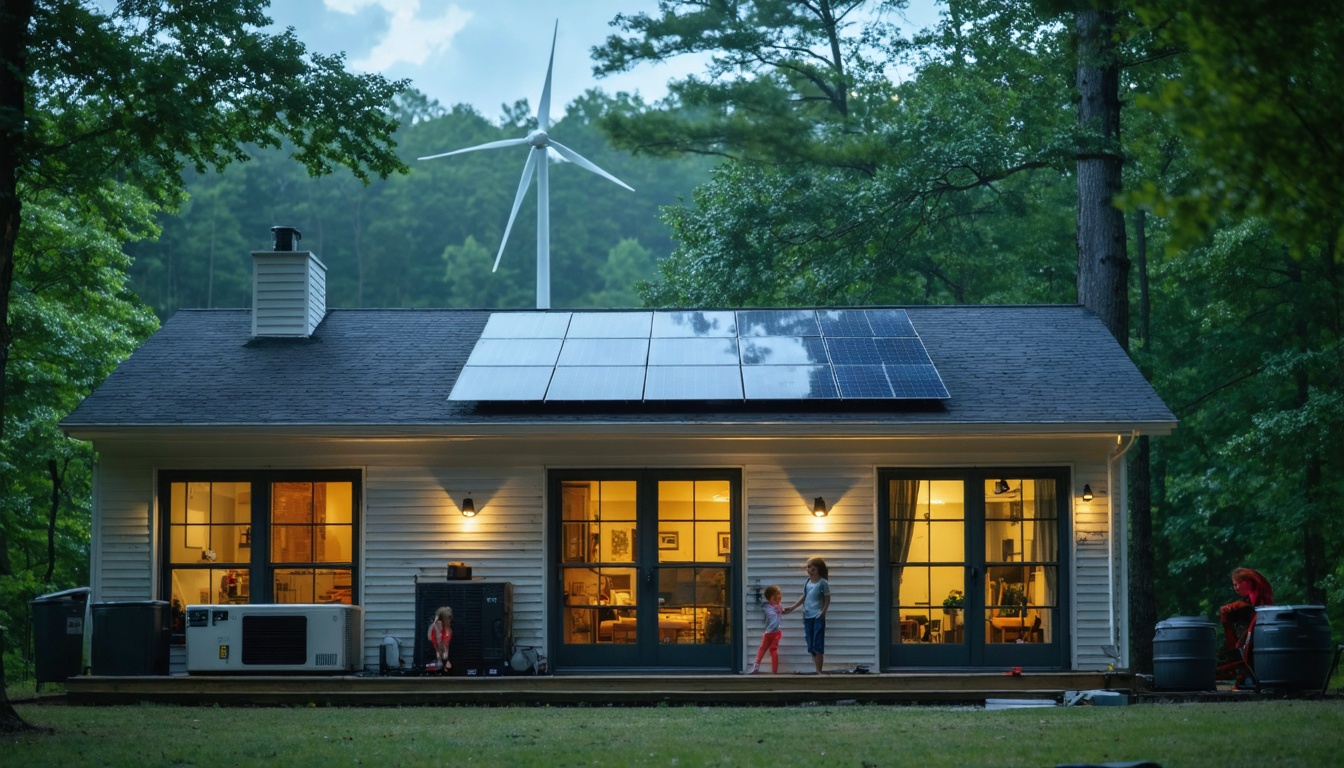
What a More Resilient Home Energy Plan Looks Like in North Carolina
When developing a home energy plan in North Carolina, it is essential to incorporate strategies that enhance resilience against storms and fluctuating energy costs. A comprehensive energy plan should encompass more than just the installation of solar panels and improved insulation; it should also consider effective policies, community engagement, and modern building practices that collectively contribute to long-term stability and adaptability. As the energy landscape evolves due to technological advancements and changes in incentives, homeowners are encouraged to reassess their energy strategies. Implementing a variety of approaches, such as adopting energy-efficient building standards, integrating renewable energy sources, and engaging in community-level energy initiatives, can provide a holistic solution for resilience. Furthermore, ensuring that energy systems are diversified can protect against disruptions, allowing homes to better withstand extreme weather events. By taking these factors into account, homeowners can create a robust energy plan that is both practical and sustainable in the face of ongoing environmental and economic challenges.
Energy Efficiency Initiatives and Standards
North Carolina's energy efficiency strategy is primarily governed by state legislation, notably the Renewable Energy and Energy Efficiency Portfolio Standard. This framework aims to lower utility costs, reduce carbon emissions, and improve housing resilience for stakeholders, such as building owners, homeowners, and renters. For those considering renewable solutions, consulting with Solar Installers in North Carolina can help align with these energy efficiency goals.
The slow pace of updates to the State Code, however, presents obstacles to the advancement of green building practices and the incorporation of sustainable products and systems.
In response to these challenges, various initiatives, including those promoted by the North Carolina Sustainable Energy Association (NCSEA), focus on supporting clean energy efforts and the development of innovative projects.
There are numerous online resources available for additional information about sustainability and climate initiatives in North Carolina, including social media and official contact pathways. These resources serve to enhance public understanding and engagement in energy efficiency efforts within the state.
Inclusive Programs for Low- and Moderate-Income Residents
Access to reliable and affordable energy is a significant issue for many low- and moderate-income residents. This reality emphasizes the need for inclusive programs that specifically address their needs.
In North Carolina, the Energy Saver North Carolina Program is designed to assist various participants, including building owners, homeowners, and renters.
The program features initiatives such as HOMES and HEAR, which provide financial support through grants aimed at facilitating clean energy efficiency upgrades or the purchase of ENERGY STAR products. These initiatives are aligned with broader goals of sustainability, aiming to decrease utility costs for participants and offer potential for retroactive rebates.
For comprehensive information about the program, including job availability, customer service assistance, or access to further resources, individuals can utilize the Quick Links section or directly contact the program through the listed options.
Information and updates on the program are also accessible via its social media channels, including Instagram, Facebook, Twitter, and LinkedIn.
Advancements in Building Codes and Regulations
Advancements in building codes and regulations are significant for improving home energy resilience in North Carolina, although some delays have occurred due to legislative processes.
The state's ongoing efforts to revise the State Code aim to encourage green and sustainable building practices, particularly through the integration of clean energy systems. These updates are designed to provide benefits such as potentially decreased utility bills, lower carbon emissions, and improved housing affordability for building owners, homeowners, and renters alike.
Building codes serve to uphold safety and health standards, but they increasingly address environmental sustainability considerations. In North Carolina, a strong emphasis on energy-efficient building practices is anticipated to bolster both the local economy and the overall environment.
Advocacy groups are available to disseminate information and updates on these initiatives through various digital platforms, facilitating public engagement and awareness.
For further information regarding customer service, job opportunities, or privacy policy, interested individuals may refer to the appropriate sections of relevant websites.
Innovative Financing and Utility Investment Solutions
Homeowners and property owners in North Carolina can enhance their energy resilience through various financing tools and utility investments designed to improve affordability and accessibility. One significant initiative is C-PACE (Commercial Property Assessed Clean Energy), which allows building owners to finance energy-efficient upgrades via long-term loans that are repaid through property taxes. This financing model promotes investment in energy-efficient technologies and systems.
Another notable program is the tariffed on-bill program, which can help lower utility expenses, particularly for income-based housing. These programs often integrate rebates and utility incentives, thereby encouraging the adoption of sustainable practices in both residential and commercial buildings across the state. Such initiatives contribute to reducing carbon emissions while providing financial relief to property owners.
Additionally, Duke Energy operates an 'Improve & Save' initiative that emphasizes enhancements in energy efficiency. This program is part of a broader effort to support energy conservation and environmental sustainability.
For additional information regarding available programs, customer service options, or our privacy policy, please contact us directly.
Climate Resilience and Durable Building Practices
Unpredictable weather patterns present significant challenges to home energy reliability, necessitating the adoption of durable building practices to enhance climate resilience.
In North Carolina, the selection of products designed to withstand severe weather events can improve both building longevity and operational efficiency. For example, systems produced by companies such as Fabral are developed with an emphasis on structural durability and energy conservation, which in turn can lead to reduced utility costs for all occupants, including building owners, homeowners, and renters.
The construction of a well-designed building envelope that adheres to or surpasses the state's building codes is essential for promoting energy efficiency and environmental sustainability.
Additionally, the implementation of reflective roofing materials can aid in reducing carbon emissions and decreasing cooling costs, contributing to the overarching objectives of sustainable development within North Carolina.
For additional information regarding our programs or to engage with customer service, please refer to our available contact options.
We also maintain a presence on social media platforms such as Instagram, Facebook, Twitter, and LinkedIn for updates and further resources.
Sustainable Manufacturing and Material Selection
The selection of materials and manufacturing processes is a critical aspect of creating a sustainable home energy plan. In North Carolina, the use of green products, such as Fabral’s metal systems, is consistent with state regulations and promotes energy efficiency. These materials are intended to help building owners, homeowners, and renters meet State Code while potentially lowering utility costs.
Using durable and recyclable materials can contribute to a reduction in carbon emissions and decrease energy expenses, which may enhance climate resilience in the housing sector of the region. Furthermore, sustainable manufacturing practices are necessary for the advancement of future Clean buildings, aligning with wider environmental objectives and sustainability initiatives.
For additional information, individuals are encouraged to consult our program overview and engage with our social media offerings on Instagram, Facebook, Twitter, and LinkedIn.
For any inquiries, please reach out to us directly.
Long-Term Value and Community Impact
Long-term value in home energy planning includes not only the reduction of household energy bills but also the importance of strategic investments that provide benefits to individual households as well as the broader community. In North Carolina, the adoption of green building practices and clean energy systems is integral to promoting sustainability and reducing carbon emissions.
Utilizing durable materials and implementing energy-efficient housing designs can lead to lower utility costs for both homeowners and renters, while also enhancing resilience to future economic and environmental challenges.
Moreover, environmental initiatives aimed at increasing the availability of attainable housing for essential workers are vital for improving income stability within communities. These initiatives can bolster the local economy and contribute to a more equitable housing environment.
Residents of North Carolina, including both homeowners and renters, can find information about project updates and job opportunities through social media platforms such as Instagram, Facebook, Twitter, and LinkedIn.
For further details, individuals are encouraged to visit our website, which provides access to our privacy policy and additional resources.
Conclusion
Adopting a resilient home energy plan in North Carolina involves implementing strategies that enhance energy efficiency, integrate renewable energy sources, and prepare for potential disruptions. Such measures can reduce costs and minimize outages during severe weather events, which are increasingly common in the region. Energy-efficient upgrades, such as improved insulation and energy-efficient appliances, contribute to lower energy consumption and utility bills. Integrating renewable energy sources like solar panels helps diversify the energy supply and can contribute to grid stability during emergencies. Preparedness measures, such as backup generators and energy storage solutions, further bolster resilience by ensuring electricity availability when the grid is compromised. Collectively, these actions not only benefit individual households by lowering energy costs and enhancing reliability but also contribute to the overall stability of the local energy infrastructure. By adopting these practices, residents support a shift toward a more comprehensive and sustainable energy landscape in North Carolina, which may be critical in addressing future energy challenges.